
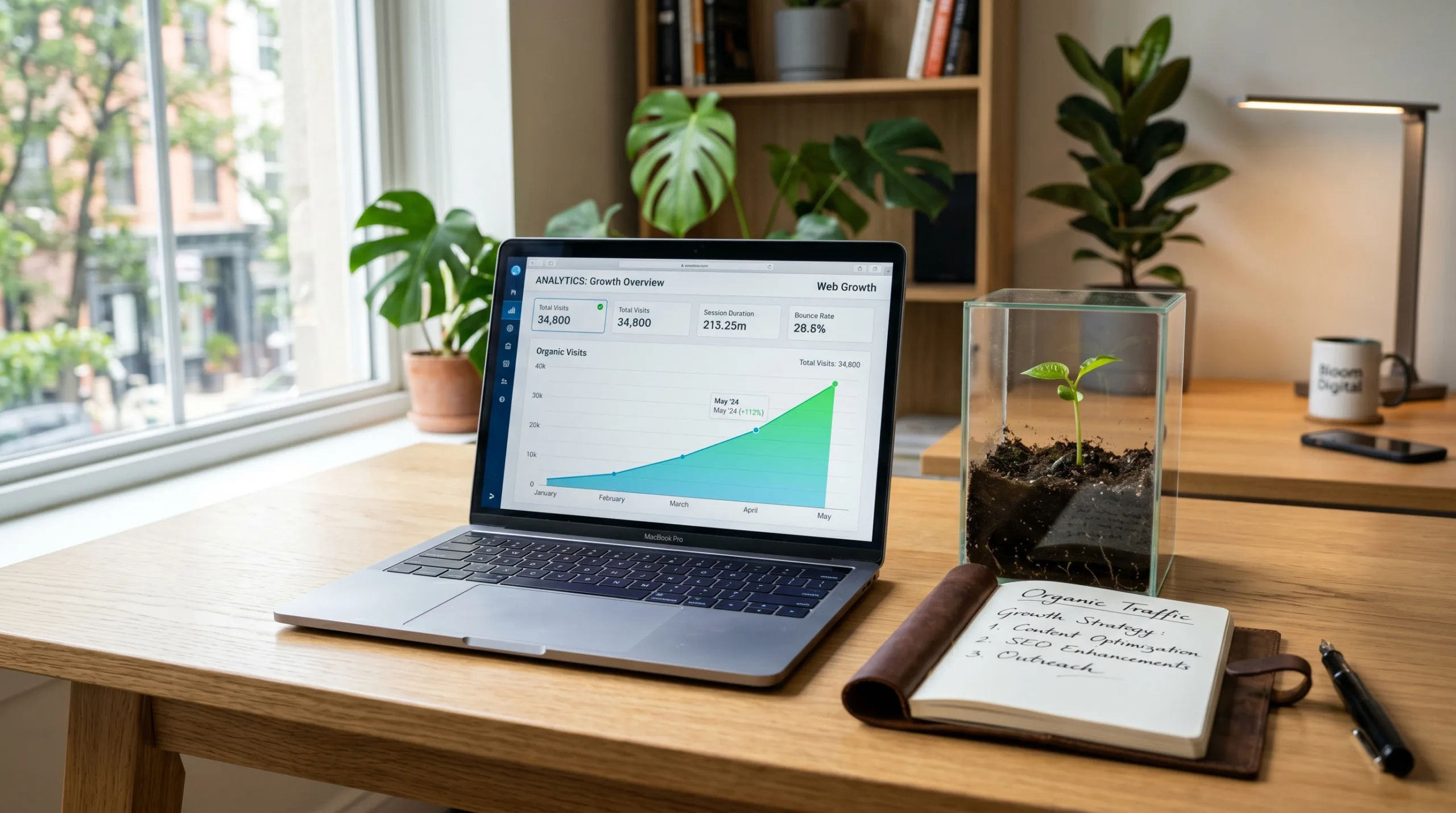
Every marketer loves getting new customers. The problem is that acquiring those customers is becoming more expensive every year as cpa in Organic Traffic. Across many industries, customer acquisition costs have increased significantly due to rising competition, privacy changes, and higher advertising costs. Recent marketing reports indicate that acquisition costs have climbed substantially between 2023 and 2026, forcing businesses to find smarter ways to generate conversions without increasing budgets.
If your Cost Per Acquisition (CPA) is too high, profits shrink quickly. You may generate sales, but if acquiring a customer costs nearly as much as the revenue they generate, scaling becomes difficult. The good news is that CPA is not a fixed number. It can be reduced through strategic improvements in targeting, creative assets, landing pages, conversion tracking, and customer journey optimization.
This guide explains exactly how to lower CPA dramatically while maintaining or even increasing conversion volume.
Table of Contents
Understanding CPA as Organic Traffic
What CPA Means
Cost Per Acquisition is one of the most important metrics in digital marketing. It measures how much money you spend to acquire a customer, lead, signup, or other desired action. The formula is simple. You divide total advertising spend by the number of conversions generated. If you spend $1,000 and acquire 20 customers, your CPA is $50.
Many marketers focus heavily on clicks, impressions, and traffic. While these metrics are useful, they do not directly impact profitability. CPA does. It connects marketing spend to business outcomes. A campaign generating thousands of clicks may appear successful, but if conversions remain low, the CPA will rise and profitability will suffer.
Today’s advertising platforms are highly competitive. Businesses are bidding against thousands of advertisers for the same audiences. This competition increases costs and makes CPA management more important than ever. Smart marketers focus not only on generating traffic but also on improving efficiency throughout the customer journey.
Why CPA Matters
CPA determines whether your advertising efforts are sustainable. A business with a low CPA can scale faster because each customer costs less to acquire. Lower acquisition costs create more room for profit, expansion, testing, and reinvestment.
Think of CPA as the fuel efficiency of your marketing engine. Two cars may travel the same distance, but one consumes less fuel. Similarly, two companies may generate the same number of customers, but the one with a lower CPA spends far less money to achieve the result.
Modern marketers increasingly treat CPA as a key performance indicator because it reveals campaign health. A declining CPA often signals better targeting, stronger messaging, improved landing pages, and a more efficient funnel. A rising CPA usually indicates problems somewhere in the conversion process.
The Main Factors That Increase CPA
Poor Audience Targeting as Organic Traffic
One of the biggest reasons businesses experience high CPAs is poor targeting. When advertisements reach the wrong people, click costs increase while conversion rates decline. This combination is a recipe for expensive customer acquisition.
Imagine selling high-end business software but showing ads to college students with no purchasing authority. Even if your ad receives clicks, conversions will remain low. Every wasted click contributes to a higher CPA.
Modern advertising platforms offer advanced targeting options. Businesses can target users based on behavior, interests, purchase intent, demographics, and previous interactions. Companies that invest time refining audience segments typically experience significant reductions in acquisition costs because their budget reaches people most likely to convert.
Weak Conversion Funnels
Another major contributor to high CPA is a weak sales funnel. Even if targeting is perfect, visitors may leave before converting if the experience is confusing or frustrating.
Common funnel problems include:
- Slow website loading speeds
- Complicated forms
- Poor mobile optimization
- Weak calls-to-action
- Lack of trust signals
Many businesses spend enormous amounts driving traffic while ignoring conversion optimization. This is like filling a bucket with water while holes remain at the bottom. Fixing funnel leaks often produces faster CPA improvements than increasing advertising budgets.
Optimize Conversion Tracking First
Fix Data Collection Problems
Before attempting to lower CPA, ensure that tracking systems work correctly. Many businesses make optimization decisions using inaccurate data. If conversions are not tracked properly, advertising algorithms receive poor signals and campaign performance suffers.
Conversion tracking should capture every valuable action, including purchases, leads, phone calls, form submissions, and key engagement events. Accurate tracking helps platforms such as Google Ads and Meta Ads identify patterns among high-converting users.
Experts consistently recommend fixing measurement systems before adjusting bids or budgets. Campaigns optimized using accurate conversion data often outperform campaigns operating with incomplete information. Some advertisers achieve substantial CPA reductions simply by improving tracking accuracy because algorithms gain access to better optimization signals.
Improve Audience Targeting
Use High-Intent Audiences
Not all traffic is equal. Visitors actively searching for solutions are far more valuable than casual browsers. High-intent audiences typically convert at higher rates, resulting in lower acquisition costs.
Search campaigns targeting purchase-focused keywords often outperform broad awareness campaigns because users already demonstrate interest. Similarly, website visitors who have viewed pricing pages or product pages usually represent stronger prospects than first-time visitors.
Targeting should prioritize intent over volume. Ten highly qualified visitors can generate more revenue than one hundred unqualified visitors.
Build Lookalike Segments
Lookalike audiences allow advertisers to find new prospects who resemble existing customers. Advertising platforms analyze customer behavior and identify similar users across their networks.
This strategy often lowers CPA because the algorithm focuses on people who share characteristics with proven buyers. Instead of guessing who might convert, advertisers leverage actual customer data.
AI-powered audience expansion tools have become increasingly sophisticated. Many companies now report improved conversion rates and reduced CPA after implementing advanced lookalike targeting strategies.
Improve Ad Creative Performance
Better Hooks and Messaging
Creative quality is often the most overlooked CPA lever. Strong creative attracts attention, increases click-through rates, and improves conversion performance.
Recent advertising benchmarks show that brands with structured creative testing systems frequently achieve 20% to 35% lower CPAs compared to brands using random creative approaches. Better hooks alone can significantly influence acquisition costs.
The first few seconds of an advertisement are critical. Viewers quickly decide whether content is relevant. Effective hooks address problems, create curiosity, or present compelling benefits immediately.
Strong creative should:
- Address customer pain points
- Highlight unique value
- Demonstrate proof
- Include a clear next step
Creative Testing Framework
The best advertisers never rely on a single advertisement. They continuously test new headlines, images, videos, offers, and calls-to-action.
A structured testing framework helps identify winning combinations. Small improvements in click-through rates and conversion rates can compound into dramatic CPA reductions over time.
Testing should focus on one variable at a time. This approach makes it easier to identify which changes drive performance improvements.
Increase Landing Page Conversion Rates
Faster Loading Pages
Landing page speed directly affects conversion rates. Visitors expect pages to load almost instantly. Delays create frustration and increase bounce rates.
A faster page creates a smoother user experience and improves conversion efficiency. Every additional conversion generated from existing traffic lowers CPA because acquisition costs remain constant while results increase.
Studies consistently show that faster websites convert better. Businesses investing in speed optimization often see measurable improvements in campaign profitability.
Stronger Calls-to-Action
Visitors should immediately understand what action to take. Confusing pages create hesitation, and hesitation reduces conversions.
Effective calls-to-action are clear, visible, and benefit-driven. Instead of generic phrases like “Submit,” stronger alternatives include:
- Start Your Free Trial
- Get My Quote
- Download the Guide
- Book Your Demo
When conversion rates increase from 2% to 3%, CPA can decrease dramatically without increasing traffic volume. Some marketing experts estimate that such improvements can reduce acquisition costs by roughly one-third while maintaining the same advertising spend.
Leverage Retargeting Campaigns
Recover Lost Visitors
Most website visitors do not convert during their first visit. Retargeting provides a second opportunity to engage these users.
Retargeting campaigns display advertisements to people who previously interacted with your website, product pages, or content. Since these users already know your brand, conversion rates tend to be much higher.
Many marketers consider retargeting one of the most cost-effective advertising strategies available. Research indicates that retargeted audiences often convert multiple times more effectively than cold traffic audiences.
Successful retargeting campaigns deliver personalized messages based on previous behavior. Someone who abandoned a cart may receive a different message than someone who only viewed a blog article.
Use AI and Smart Bidding
Automated Optimization
Artificial intelligence now plays a major role in advertising performance. Modern bidding systems evaluate thousands of signals in real time, including device type, location, browsing behavior, and conversion probability.
AI-powered bidding strategies help advertisers allocate budgets more efficiently. Instead of manually adjusting bids, algorithms automatically pursue conversions at lower acquisition costs.
Research suggests that machine learning-driven bidding strategies can reduce CPA while maintaining or increasing conversion volume when sufficient data is available.
The key is providing algorithms with quality conversion data. Smart bidding systems perform best when they receive accurate signals from properly configured tracking systems.
Focus on Customer Quality
CPA vs Lifetime Value
One of the biggest mistakes marketers make is focusing exclusively on CPA. A cheap customer is not always a profitable customer.
Recent discussions among performance marketers highlight the importance of evaluating customer lifetime value alongside acquisition costs. Some channels produce low-cost customers who never purchase again, while other channels generate more expensive customers who remain loyal for years.
Consider the following example:
| Channel | CPA | Average Lifetime Value |
|---|---|---|
| Channel A | $20 | $50 |
| Channel B | $50 | $300 |
Channel A appears better initially because the CPA is lower. However, Channel B generates significantly more profit over time.
Successful businesses optimize for profitable growth, not simply the lowest acquisition cost.
Building a Sustainable Low-CPA System
Lowering CPA is not a one-time project. It is an ongoing process of testing, measurement, and optimization. The most successful advertisers build systems that continuously improve performance.
A sustainable low-CPA framework includes:
- Accurate conversion tracking.
- High-intent audience targeting.
- Continuous creative testing.
- Landing page optimization.
- Strategic retargeting.
- Smart bidding automation.
- Lifetime value analysis.
These elements work together. Improving only one area may help, but optimizing the entire system produces the most dramatic results.
Think of your marketing funnel as a chain. The chain is only as strong as its weakest link. Strengthening every link creates a powerful acquisition engine capable of generating consistent growth at lower costs.
Conclusion
Reducing Cost Per Acquisition is one of the fastest ways to improve marketing profitability. Rising advertising costs make efficiency more important than ever. Businesses that focus on better targeting, stronger creative, optimized landing pages, accurate tracking, and intelligent automation can significantly reduce acquisition costs while maintaining growth.
The biggest gains often come from conversion optimization rather than simply increasing budgets. Every improvement in conversion rate, audience quality, and customer experience compounds over time. When these improvements work together, CPA can fall dramatically while revenue continues to rise.
The goal is not merely to acquire customers cheaply. The goal is to acquire valuable customers efficiently and profitably. Businesses that master this balance gain a significant competitive advantage in today’s increasingly crowded digital marketplace.
FAQs
1. What is a good CPA?
A good CPA depends on your industry, profit margins, and customer lifetime value. The ideal CPA is one that allows sustainable profitability.
2. How quickly can CPA be reduced?
Many advertisers see improvements within 30 to 60 days after optimizing targeting, creative assets, and landing pages.
3. Does retargeting really lower CPA?
Yes. Retargeting typically focuses on warm audiences who already know your brand, often resulting in higher conversion rates and lower acquisition costs.
4. Should I focus on CPA or customer lifetime value?
Both are important. CPA measures acquisition efficiency, while lifetime value measures long-term profitability. Successful businesses evaluate both metrics together.
5. Can AI help reduce CPA?
Yes. AI-driven bidding and targeting systems analyze large amounts of data and can improve conversion efficiency when supported by accurate tracking.
Thank you 24

1 thought on “Organic Traffic: From Zero to Growth”