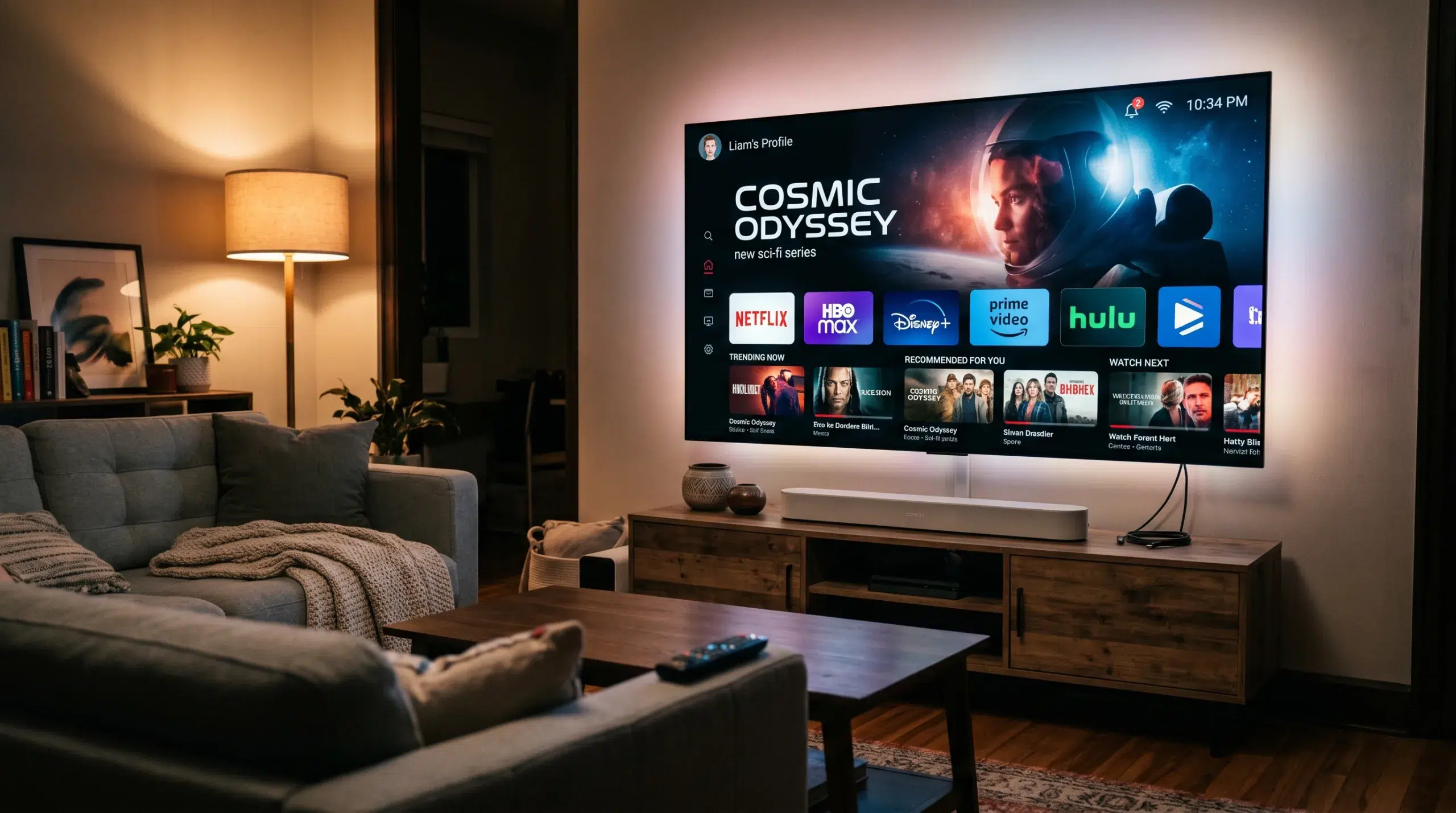
Understanding the Rise of Connected TV
The television industry is going through one of the biggest transformations in its history. For decades, viewers had limited choices (CTV). People turned on their television sets, browsed channels, and watched whatever was scheduled at that moment.
Today, everything has changed. Streaming services have completely altered how people consume entertainment, news, sports, and educational content. Instead of following fixed programming schedules, viewers can watch content whenever they want and on whichever device they prefer.
This dramatic shift has created a new advertising environment known as Connected TV (CTV) advertising. Brands are no longer limited to broad television audiences. They can now reach specific viewers based on interests, behaviors, demographics, and viewing habits.
Table of Contents
As streaming continues to dominate household entertainment, marketers are moving significant portions of their advertising budgets into CTV campaigns.
Recent industry research shows that streaming accounted for approximately 43.8% of total television viewing time in the United States during 2025. At the same time, 56% of global marketers reported plans to increase their spending on CTV and OTT advertising. These numbers highlight a simple reality: the future of television advertising is increasingly tied to streaming platforms.
What Is Connected TV (CTV)?
Connected TV refers to any television device connected to the internet that allows viewers to stream digital content. This includes smart TVs with built-in internet capabilities, streaming devices, gaming consoles, and internet-connected set-top boxes. Instead of relying solely on cable or satellite providers, users access streaming applications directly through these devices.
Popular streaming platforms include services that offer movies, television series, sports broadcasts, documentaries, and live events. Many of these services operate with advertising-supported plans, creating opportunities for brands to reach viewers during their streaming experience. Unlike traditional television advertising, CTV combines the visual impact of television with the targeting capabilities of digital marketing.
Think of CTV as the bridge between television and the internet. It delivers the immersive large-screen viewing experience people love while providing marketers with advanced audience insights and measurable campaign performance. This combination has made CTV one of the most exciting developments in modern advertising.
How CTV Differs from Traditional Television
Traditional television advertising relies on broad audience assumptions. An advertiser purchases airtime during a program and hopes that the right viewers are watching. While this approach can still generate results, it often leads to wasted impressions and limited measurement capabilities.
CTV advertising works differently. Advertisers can target audiences based on specific characteristics, such as age, location, interests, purchase behaviors, and viewing preferences. Campaigns can be optimized in real time, and advertisers can track performance more accurately than ever before.
Imagine traditional TV advertising as throwing a large fishing net into the ocean. You may catch the fish you want, but you will also catch many you do not need. CTV advertising is more like using a fishing rod with a precise target. It helps marketers focus their efforts on the audiences most likely to respond.
Why Streaming Is Reshaping Advertising
Streaming has become the center of modern entertainment consumption. Consumers increasingly prefer flexibility, convenience, and personalized content experiences. This shift has forced advertisers to rethink how they connect with audiences.
People no longer gather around television schedules. They stream content during lunch breaks, after work, while traveling, and even during workouts. This new viewing behavior creates fresh opportunities for brands to engage consumers in meaningful ways. Instead of interrupting content with irrelevant messages, advertisers can deliver personalized experiences tailored to specific audience segments.
The rapid growth of streaming services has also introduced new advertising inventory. Platforms that once relied exclusively on subscriptions are now launching ad-supported tiers, expanding opportunities for marketers to reach highly engaged viewers. This trend is accelerating across global markets and transforming advertising strategies worldwide.
The Shift in Consumer Viewing Habits
Modern consumers expect control over their viewing experience. They want to choose what they watch, when they watch it, and how they access it. Streaming platforms satisfy these expectations by offering on-demand libraries, personalized recommendations, and seamless viewing across multiple devices.
This behavior has created an environment where audiences spend significant amounts of time on streaming platforms. Research indicates that streaming surpassed broadcast and cable television combined in overall viewing share during 2025. That milestone represents a major turning point in media consumption and advertising strategy.
Cord-Cutting and Streaming Growth
The term “cord-cutting” describes consumers canceling traditional cable subscriptions in favor of streaming alternatives. Millions of households have embraced this trend because streaming services often provide greater flexibility and lower costs.
In India, Connected TV advertising revenue grew by 42% during 2025, reaching ₹99 billion. The country now has approximately 68 million CTV households, demonstrating the massive potential for advertisers targeting streaming audiences.
| Metric | Recent Data |
|---|---|
| U.S. Streaming Share of TV Viewing | 43.8% |
| Marketers Increasing CTV Spend | 56% |
| India CTV Ad Revenue Growth | 42% |
| U.S. CTV Ad Market Size 2025 | $33.35 Billion |
Sources: Nielsen, FICCI-EY, Industry Reports.
The Basics of CTV Advertising
Connected TV advertising combines television’s storytelling power with digital marketing precision. It allows advertisers to deliver video advertisements to viewers streaming content through internet-connected devices.
When a user watches a show on a streaming platform, advertising slots become available during natural content breaks. Programmatic technology helps determine which advertisements should appear based on targeting criteria established by advertisers. This process occurs within milliseconds, ensuring viewers receive relevant advertising experiences.
For beginners, the most important concept to understand is that CTV advertising is data-driven. Instead of purchasing television time based solely on estimated audience sizes, marketers can focus on actual audience behaviors and interests. This precision improves efficiency and often leads to stronger campaign outcomes.
How CTV Ads Work
CTV ads are typically delivered through automated advertising systems. Advertisers upload creative assets, define target audiences, establish budgets, and launch campaigns through advertising platforms.
When viewers stream content, the system identifies eligible audiences and serves appropriate advertisements. The process resembles digital advertising but occurs within the television environment. Advertisers benefit from detailed reporting, audience insights, and campaign optimization capabilities.
Types of CTV Advertising Formats
Several advertising formats are available within the CTV ecosystem:
- Pre-roll video ads
- Mid-roll video ads
- Post-roll video ads
- Interactive advertisements
- Sponsored content integrations
- Dynamic creative advertisements
Each format serves different campaign objectives. Some focus on brand awareness, while others encourage engagement, website visits, or product purchases.

1 thought on “The Future is Streaming: A Beginner’s Guide to Connected TV (CTV) Advertising”