
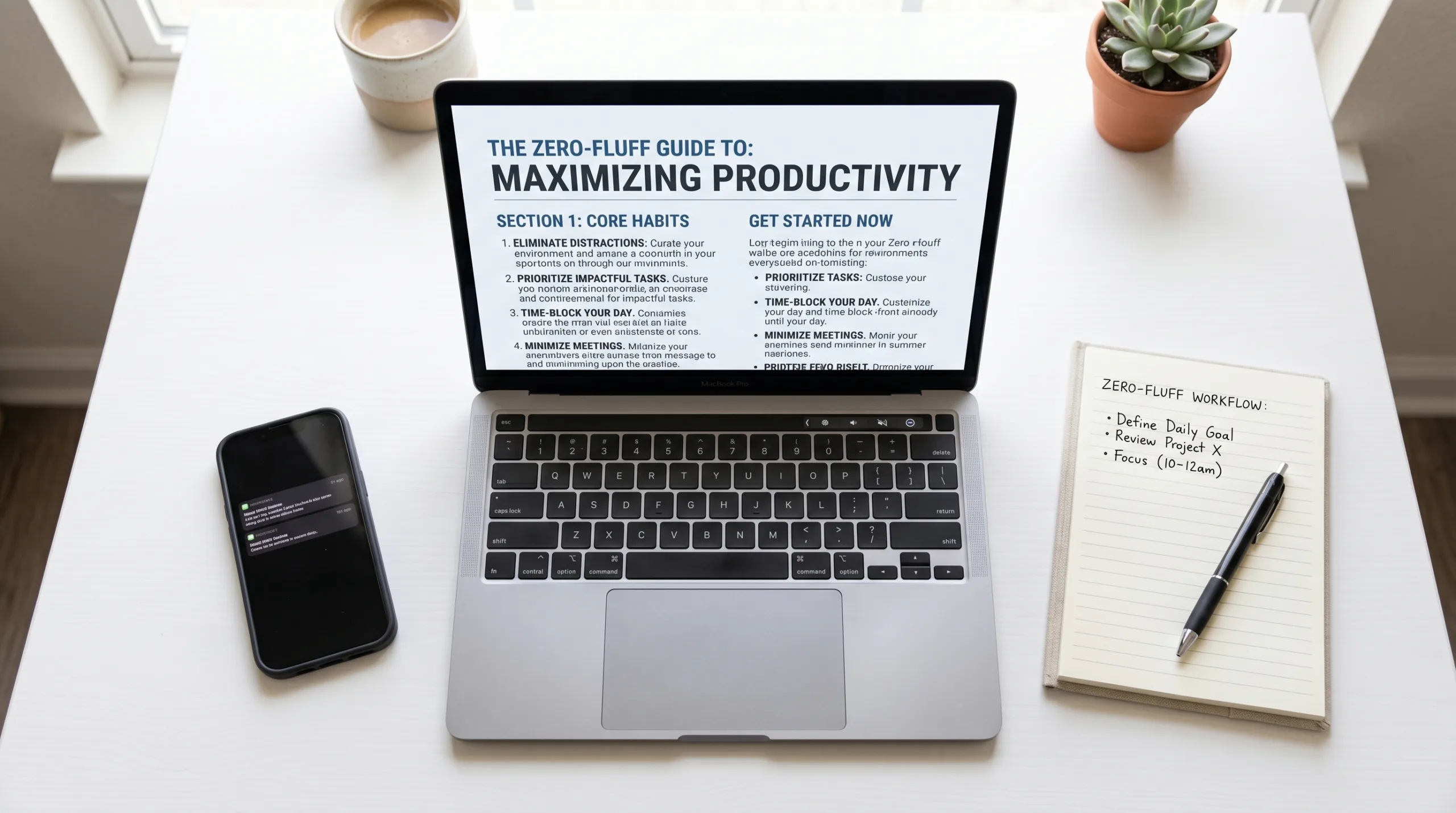
Search engines have changed dramatically over the last read few years. Today, content is no longer competing only against other websites as ranking. It is competing against AI summaries, featured snippets, AI Overviews, and increasingly shorter attention spans. Recent SEO research shows that readable, well-structured content helps improve engagement signals such as dwell time, scroll depth, and user satisfaction, all of which influence organic performance indirectly. Pages with clear headings, shorter paragraphs, and scannable formatting tend to keep visitors engaged longer and reduce bounce rates.
The reality is simple. Most content fails because it is difficult to consume. Readers land on a page, see a giant wall of text, and leave. Search engines notice that behavior. Rankings suffer. The solution is not adding more words. The solution is structuring content so people can quickly find, understand, and trust the information they need.
Before diving into the full guide, here is the article outline.
Table of Contents
Why Content Structure Matters More Than Ever
The internet is crowded with content. Every day, millions of blog posts, articles, and guides are published. Most of them cover similar topics. The difference between a page that ranks and a page that disappears often comes down to presentation. Imagine walking into a library where every book is scattered randomly across the floor. Even if valuable information exists, nobody wants to search through the mess. Poorly structured content creates the same experience online.
Search engines want to deliver results that satisfy users quickly. When readers stay longer, scroll deeper, and interact with content, those signals suggest the page is valuable. Modern SEO is heavily influenced by user experience. Clear formatting, readable paragraphs, and logical organization help readers stay engaged. Studies and SEO analyses consistently show that structured content performs better because it helps users locate information faster.
The Connection Between Readability and SEO
Readability is not officially listed as a direct Google ranking factor. However, readability influences many metrics that matter. When readers can easily understand content, they spend more time on the page. They are more likely to continue reading, click internal links, and share the article with others. These actions send positive engagement signals.
Research from multiple SEO studies highlights that clear structure improves dwell time, lowers bounce rates, and enhances content comprehension. These factors contribute to stronger overall search performance. In simple terms, readability acts as a bridge between great content and strong rankings.
User Experience as a Ranking Advantage
Think about your own browsing habits. If you land on a page with massive text blocks and confusing navigation, how long do you stay? Probably not very long. Readers value convenience. They want answers quickly and clearly.
This is where structured content becomes a competitive advantage. Organized content reduces friction. Every heading acts like a road sign. Every paragraph moves the reader forward. Every section answers a specific question. Search engines reward pages that provide smooth experiences because those pages fulfill user expectations more effectively.
Understanding the Modern Reader
The average internet user is not reading every word. They are scanning. Their eyes jump from headline to headline, searching for relevant information. This behavior has transformed how content should be created.
Writers who ignore scanning behavior often lose readers before delivering their main point. Successful content recognizes this reality. It presents information in layers. The most important insights appear first. Supporting details follow naturally. This approach allows both scanners and deep readers to find value.
Why Most Visitors Scan Before Reading
Research into user behavior repeatedly shows that readers scan pages before committing to reading them fully. They evaluate headings, subheadings, bold text, and lists. If these elements indicate value, they continue.
This means your structure often determines whether your content gets read at all. A strong structure acts like a movie trailer. It gives readers confidence that the information they seek is available. Without that confidence, visitors leave quickly.
The Psychology of Online Consumption
Human brains naturally seek shortcuts. Online readers make rapid decisions based on visual cues. Clean layouts create trust. Clear headings reduce mental effort. Short paragraphs feel approachable.
Content that respects these psychological patterns performs better because it aligns with how people naturally process information. Instead of fighting human behavior, effective content works with it.
Building a Strong Content Framework
Great content begins long before writing starts. It begins with planning. Structure is not something added later. It is the foundation that supports everything else.
A strong framework ensures that every section serves a purpose. It eliminates repetition. It prevents irrelevant tangents. Most importantly, it helps readers move smoothly from one idea to the next.
Starting with Search Intent
Every search query represents a goal. Someone searching for “content structure SEO” wants practical guidance. Someone searching for “best content formatting practices” wants actionable tips.
Understanding intent helps determine what information should appear first. The closer your structure aligns with user intent, the more likely readers are to remain engaged and satisfied.
Creating a Logical Information Hierarchy
Content should follow a natural progression. Start broad. Move deeper. Introduce concepts before advanced applications. Each section should build on the previous one.
Think of your article as a staircase. Each step helps readers reach a higher level of understanding. Missing steps create confusion. Too many steps create frustration. Balance is the key.
The Perfect Heading Structure
Headings are among the most powerful structural tools available. They help readers navigate content while also helping search engines understand page organization.
A well-designed heading hierarchy creates clarity. It transforms complex information into manageable sections. Readers gain confidence because they can see the path ahead.
How H1, H2, H3, and H4 Work Together
| Heading Level | Purpose |
|---|---|
| H1 | Main article topic |
| H2 | Major sections |
| H3 | Subtopics within sections |
| H4 | Detailed breakdowns |
This hierarchy creates a clear map. Search engines use it to understand relationships between topics. Readers use it to locate information quickly.
Common Heading Mistakes
Many writers either overuse headings or avoid them entirely. Both approaches create problems. Too many headings make content feel fragmented. Too few create overwhelming walls of text.
Another common mistake is using vague headings. Specific headings perform better because they clearly communicate the value of each section.
Writing Paragraphs People Actually Read
Paragraph length has a major impact on readability. Long paragraphs may work in printed books, but online they often create visual barriers.
Research consistently recommends shorter paragraphs because they improve scanning and comprehension. Most high-performing content uses paragraphs containing two to four sentences.
The Ideal Paragraph Length
Short paragraphs create momentum. They encourage readers to continue scrolling. Large blocks of text create resistance.
This does not mean every paragraph should be extremely short. Variation helps maintain rhythm. The goal is balance. Readers should feel guided rather than overwhelmed.
Eliminating Unnecessary Complexity
Complex language rarely makes content better. It usually makes content harder to understand. Strong writing prioritizes clarity over sophistication.
Simple language allows ideas to shine. It removes barriers between the reader and the message. The best content feels effortless to read, even when covering advanced topics.
Formatting for Maximum Engagement
Formatting transforms raw information into a readable experience. It guides attention. It highlights important ideas. It improves retention.
Think of formatting as interior design. The same room can feel welcoming or chaotic depending on how it is arranged.
Strategic Use of Lists and Tables
Lists help organize information that would otherwise become cluttered. Tables simplify comparisons. They reduce cognitive load and improve scannability.
For example:
| Poor Structure | Better Structure |
|---|---|
| Large text blocks | Short paragraphs |
| No headings | Clear hierarchy |
| Dense explanations | Organized sections |
| Random formatting | Consistent formatting |
White Space and Visual Flow
White space is often overlooked. Yet it plays a critical role in readability. White space gives readers room to breathe. It separates ideas and prevents visual fatigue.
A page packed with text feels intimidating. A page with proper spacing feels inviting. This simple adjustment can dramatically improve engagement.
Structuring Content for AI Search and Featured Snippets
The rise of AI-powered search has changed content strategy. AI systems prefer content that is easy to interpret and summarize.
Recent discussions among SEO professionals emphasize answer-first structures, clear hierarchy, and modular content blocks because they improve both traditional SEO and AI visibility.
Answer-First Content Models
Modern content often performs best when it provides a direct answer before diving into detailed explanations.
This approach benefits readers because they receive immediate value. It benefits search engines because key information is easier to identify. It also increases opportunities for featured snippets and AI-generated summaries.
Information Gain and Authority
Publishing information that already exists everywhere else is rarely enough. Search engines increasingly reward content that adds unique value.
Information gain can come from:
- Original insights
- Real-world examples
- Unique frameworks
- Updated statistics
- Expert analysis
Content that contributes something new stands out in competitive search results.
Internal Linking and Topic Clusters
Content should not exist in isolation. Internal linking connects related topics and helps both users and search engines navigate your website.
Topic clusters strengthen authority by demonstrating comprehensive coverage. Instead of creating disconnected articles, successful websites build interconnected ecosystems of content.
For example, an article about content structure could link to articles about keyword research, on-page SEO, readability optimization, and content marketing strategy. These connections create context and improve discoverability.
Measuring Content Performance
Structure should be evaluated through data, not assumptions. Several metrics reveal whether your formatting and organization are working effectively.
Important metrics include:
- Average time on page
- Scroll depth
- Bounce rate
- Organic traffic growth
- Click-through rate
- Internal link engagement
If readers consistently abandon content early, structure may be the problem. If engagement improves after restructuring, you have evidence that readability enhancements are working.
Many SEO professionals now focus heavily on engagement metrics because they provide valuable feedback about user satisfaction. Better structure often leads directly to better engagement.
Conclusion
Content structure is not a cosmetic detail. It is one of the most important factors influencing readability, engagement, and long-term SEO success. The strongest articles are not necessarily the longest. They are the easiest to consume.
A zero-fluff approach focuses on helping readers reach answers quickly. Clear headings, logical organization, concise paragraphs, effective formatting, and answer-first content create an experience that both users and search engines appreciate.
As search evolves toward AI-generated summaries and advanced user-experience signals, structured content becomes even more valuable. Writers who master structure gain a significant advantage. They create content that is easier to read, easier to understand, and ultimately easier to rank.
FAQs
1. Does content structure directly affect SEO rankings?
Content structure is not a direct ranking factor, but it influences user engagement metrics such as dwell time, scroll depth, and bounce rate, which can indirectly affect rankings.
2. What is the ideal paragraph length for SEO content?
Most SEO experts recommend paragraphs of two to four sentences because they improve readability and mobile usability.
3. Why are headings important for SEO?
Headings help search engines understand content hierarchy while making articles easier for readers to navigate and scan.
4. How can I make content more readable?
Use short paragraphs, clear headings, simple language, white space, bullet points where necessary, and logical organization.
5. Is longer content always better for rankings?
No. Content quality, relevance, structure, and user satisfaction matter more than word count alone. Long content performs best when every section adds genuine value.